



Data Center
Data center investments are highly time‑sensitive and technically complex. We support data center operators in making confident decisions, establishing robust governance, and delivering projects with full control of time, cost, risk, and quality.
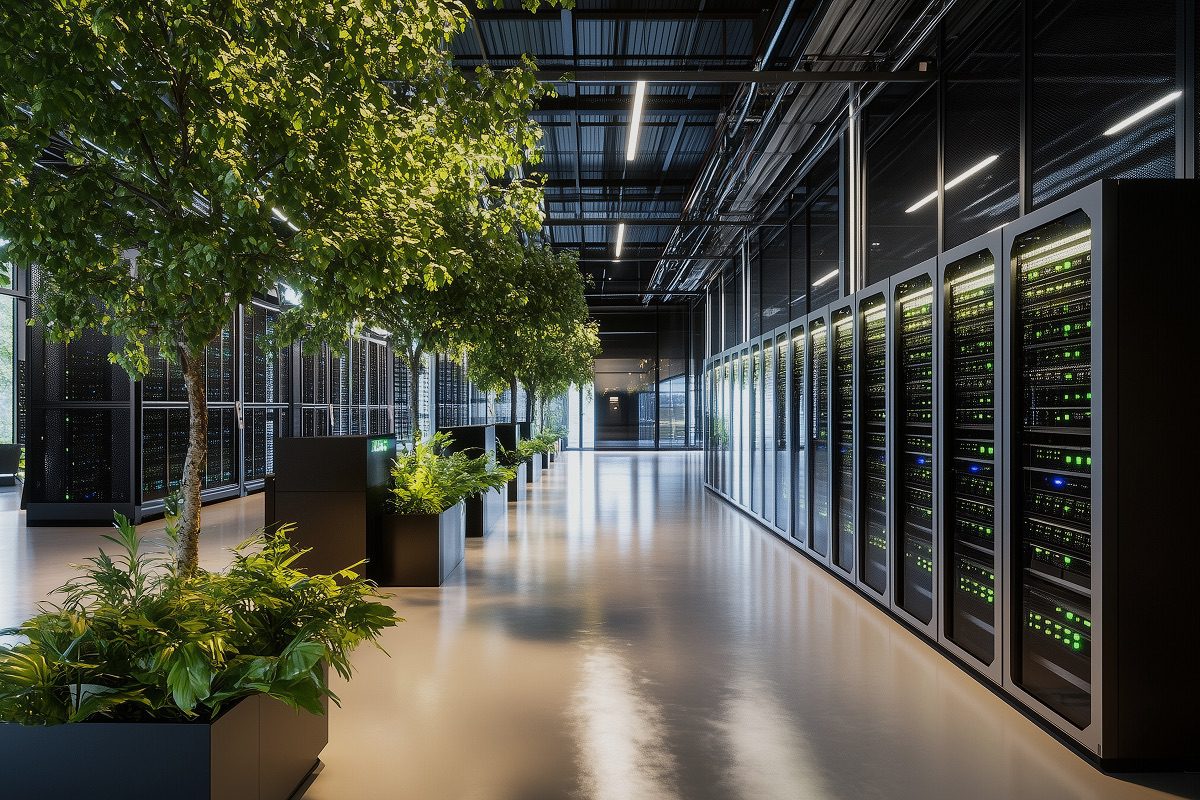
Characteristics of the Data Center Industry
The data center industry is experiencing rapid growth, with high activity, a steady influx of new players, and a market in evolution. Project viability is determined early: access to power, grid capacity, and location often define the boundaries of the entire investment, and reserved capacity must be actively managed to avoid being lost. For many operators, securing power position, grid connection, and regulatory readiness is just as critical as the construction itself.
The industry is also characterised by significant time pressure. Data center operators’ customers typically operate with inflexible timelines, and delays can have major consequences for commercial agreements, technology utilisation, and the overall investment case. At the same time, the market is under strain, with long lead times for critical equipment such as transformers, generators, UPS systems, and other mission‑critical components. This makes procurement strategy, contracting approach, and phased development essential.
There is also a shortage of specialised data center expertise. Many operators must build organizational capability, governance structures, and delivery capacity while developing multiple locations at the same time. As a result, data centers are an industry where managing one project at a time is not sufficient.


Our Approach
We work across the entire development lifecycle — from strategy and market selection to completed facilities and subsequent scaling. For this reason, our role goes beyond project delivery alone. We support operators in assessing locations, maturing concepts, structuring investment decisions, and establishing a development model that is built to support growth.
As projects move into planning and execution, we put governance in place to ensure control. This includes clear decision gates, executable plans, structured change, cost and schedule management, risk management, and an organisation designed to support both PMO functions and project delivery. In an industry defined by tight customer timelines and high consequences of delay, this level of control is essential to delivering on time.
A core element of our approach is portfolio thinking. Standardisation, repeatable concepts, the right packaging of contracts, and an owner organisation aligned with the chosen delivery model are often critical to reducing risk, securing market capacity, and capturing greater value from experience across projects.
In a landscape where technology, markets, and the supplier ecosystem are evolving rapidly, we also provide market insight, maturity assessments, and decision support. This applies both to evaluating operating models, competitive dynamics, and customer demand, and to defining what is required to establish a robust investment and delivery case.
Typical Challenges We Address
- How do we ensure a decision-making process that fully accounts for power availability, location, market conditions, regulatory requirements, and commercial viability before committing to major investments?
- How do we build a portfolio and development model that enables scaling across multiple locations—without governance and quality breaking down between projects?
- How do we select the right contracting and procurement strategy in a market with limited capacity, long lead times, and intense competition for contractors and critical equipment?
- How do we structure projects into clear phases with well‑defined decision gates?
- How do we establish a PMO, governance model, and owner organisation suited to a multi‑supplier environment and a growing project portfolio?
- How do we apply standardisation, prefabrication, cost control, schedule management, and change control to deliver faster and with greater predictability?
- How do we reduce risk in the transition from concept to execution, and ensure controlled testing, commissioning, and handover of the facility?
- How do we support an investment case that withstands due diligence and enables a controlled transition from concept to commissioning?
If you have questions, ideas, or would like to discuss how we can support your initiatives, please get in touch

Fill out the form and we will get in touch shortly